


Diabetes-Friendly Halloween Treats for Blood Sugar Balance and Enjoying Halloween

Halloween can feel like one long parade of candy bowls, party snacks, classroom treats, and “just one more” fun-size bar. If you live with diabetes, that can bring up a real question: how do you enjoy the holiday without feeling like every bite needs a calculation?
The good news is that Halloween does not have to be all-or-nothing. With a little planning, the right pairings, and a few satisfying swaps, it is possible to enjoy seasonal treats while supporting steadier blood sugar.
This guide is informational only and is not a substitute for medical nutrition therapy. If insulin, medication timing, kidney disease, pregnancy, or frequent highs and lows are part of the picture, personalized guidance from a registered dietitian or diabetes care team is best.
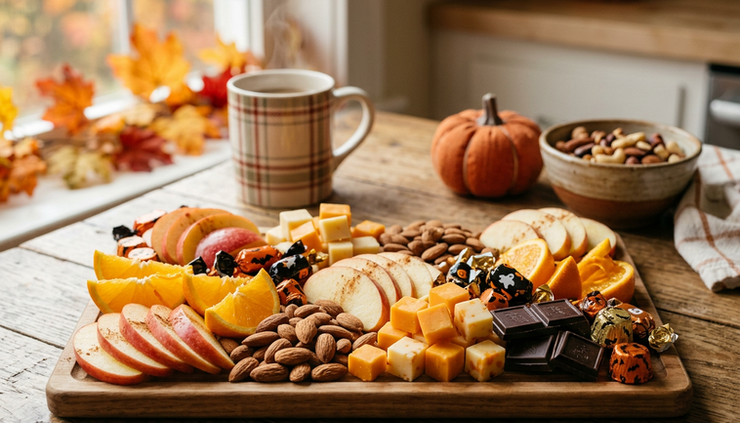
Halloween and diabetes can work together with a plan
Candy is high in fast-digesting carbohydrate. That means it can raise blood glucose more quickly than foods that also contain protein, fat, and fiber. This does not make candy “bad,” but it does mean timing, portion, and context matter.
A more blood sugar-friendly approach starts before the treat bowl comes out.
Try these simple planning steps:
Eat a real meal before trick-or-treating or a party
A meal with protein, vegetables, and high-fiber carbohydrate can reduce the urge to graze on candy while hungry.
Decide on treats ahead of time
Choosing one or two favorites can feel more satisfying than randomly grabbing candy throughout the night.
Keep portions visible
Put a chosen treat on a plate instead of eating from a bag or bowl.
Check blood glucose based on your care plan
Some people may need to check before, during, or after Halloween activities, especially if walking, insulin, alcohol, or late-night snacks are involved.
For many people, the goal is not perfect blood sugar on Halloween. The goal is enjoying the holiday without feeling physically awful, emotionally restricted, or out of control around sweets.
What makes a Halloween treat more blood sugar-friendly
A treat becomes easier on blood sugar when it digests more slowly or when the portion is easier to manage. The best diabetes-friendly Halloween treats often include at least one of these features:
Helpful feature | Why it matters | Examples |
Protein | Helps slow digestion and supports fullness | Greek yogurt, cheese, nuts, peanut butter |
Fiber | Slows carbohydrate absorption | Berries, apples with skin, pumpkin, oats, chia seeds |
Fat | Can slow digestion and add satisfaction | Nuts, seeds, avocado, dark chocolate |
Smaller portions | Makes carbohydrate intake easier to estimate | Mini cups, bite-size desserts, single-serving treats |
Lower added sugar | Reduces the total sugar load | Unsweetened cocoa, cinnamon, sugar-free gelatin, plain yogurt |
This does not mean every Halloween food needs to be a health food. A small fun-size candy can fit for many people. The difference is whether it is eaten mindfully, paired well, and counted appropriately if carbohydrate counting is part of your care plan.
Candy can fit, but choose it with intention
For some people, banning candy completely makes it more tempting. A better strategy may be to pick the candy that feels most worth it and skip the kind that is eaten only because it is there.
A few practical candy tips:
Choose one favorite instead of sampling from every category.
Look at the wrapper or nutrition label when available.
Pair candy with a protein snack, such as nuts, string cheese, or Greek yogurt.
Avoid eating candy while distracted by TV, driving, or browsing the kitchen.
Keep extra candy out of sight after Halloween night.
Chocolate candy that contains nuts may digest more slowly than pure sugar candy because it contains fat and protein. Sticky, fruity, or sour candies often contain mostly fast-acting sugar. That can be useful for treating a low blood sugar if your diabetes care team recommends it, but it may spike glucose when eaten casually.
If carbohydrate counting is part of your routine, keep wrappers until insulin dosing or tracking is complete. Portions can be surprisingly different from one brand or candy size to another.

Easy blood sugar-friendly desserts for Halloween
These blood sugar-friendly desserts bring the Halloween feel without relying only on candy. They are also simple enough for a weeknight, party tray, or family movie night.
Greek yogurt “boo” cups
Layer plain Greek yogurt with a spoonful of pumpkin puree, cinnamon, vanilla, and a small sprinkle of granola or crushed nuts. Add two mini chocolate chips on top as ghost eyes.
Why it works:
Greek yogurt adds protein.
Pumpkin adds fiber and seasonal flavor.
The topping gives crunch without turning the whole cup into dessert cereal.
For extra sweetness, use a small amount of maple syrup or a nonnutritive sweetener that you tolerate well.
Apple monster bites
Cut apple slices into wedges. Spread peanut butter, almond butter, or sunflower seed butter between two slices. Add a few slivered almonds or pumpkin seeds as “teeth.”
Why it works:
Apples provide fiber.
Nut or seed butter adds fat and protein.
The playful shape makes it feel like a Halloween treat, not a compromise.
If nut allergies are a concern, sunflower seed butter is a good option.
Dark chocolate pumpkin seed clusters
Melt dark chocolate, stir in roasted pumpkin seeds, and spoon small clusters onto parchment paper. Chill until set.
Why it works:
Pumpkin seeds add crunch, fat, and some protein.
Dark chocolate has a stronger flavor, so a smaller portion can feel satisfying.
Clusters can be made bite-size, which helps with portion control.
Keep the clusters small. The goal is a treat that satisfies a craving, not a large dessert disguised as a snack.
Berry “blood” chia pudding
Mix chia seeds with unsweetened milk or a lower-carb milk alternative. Let it thicken in the refrigerator, then top with mashed raspberries or strawberries.
Why it works:
Chia seeds add fiber.
Berries tend to be lower in sugar than many fruits.
The color fits a spooky Halloween theme.
Add cinnamon or vanilla for more flavor. If using a sweetener, start small and adjust.
Frozen banana ghost bites
Slice banana into thick coins, dip halfway in plain Greek yogurt, and freeze on parchment. Add tiny dark chocolate eyes before freezing.
Why it works:
Bananas contain carbohydrate, so portions still matter.
Greek yogurt adds protein.
Frozen bites slow down eating and make a small portion feel more fun.
This is a good option for kids, but adults usually like them too.
Build a better Halloween party plate
Parties are often harder than trick-or-treating because the food stays out for hours. A balanced plate can help reduce grazing and support more stable glucose levels.
A simple plate formula:
Half the plate with nonstarchy vegetables or fruit
One quarter with protein
One quarter with higher-carbohydrate foods or a chosen treat
Good Halloween party options include:
Turkey and cheese roll-ups
Deviled eggs with olive “spiders”
Veggie cups with guacamole or hummus
Mini meatballs in a lower-sugar sauce
Popcorn mixed with nuts and cinnamon
Roasted pumpkin seeds
Small cups of chili
Apple slices with peanut butter
Mini dark chocolate nut clusters
Try not to arrive hungry. Hunger makes it harder to make intentional choices, especially around sweets and snack mixes.

Trick-or-treating tips for children with diabetes
Halloween can be emotional for children with diabetes and for parents who want them to enjoy the same fun as everyone else. The most supportive approach is usually structure without making candy feel forbidden.
Helpful strategies include:
Talk before Halloween night
Decide how many pieces will be enjoyed that evening and what will happen with the rest.
Bring a diabetes supply bag
Include glucose treatment, water, meter or CGM supplies if used, medication supplies if needed, and a backup snack.
Plan for extra walking
Walking around the neighborhood can affect blood glucose. Some children may run lower than expected.
Sort candy together
Keep favorites, set aside candy that works for treating lows if recommended, and donate or trade the rest if that feels right.
Avoid shame-based language
Candy is food. Some foods need more planning with diabetes, but fear and guilt do not build long-term confidence.
Some families use a “trade” system after trick-or-treating. A child keeps a set number of favorite candies and trades the rest for a toy, book, outing, or another reward. This can work well when it feels like a choice, not a punishment.
What to do with leftover Halloween candy
Leftover candy can be the hardest part. One night of treats is different from having a candy bowl on the counter for weeks.
Options that may help:
Keep a few favorites and store them out of sight.
Portion candy into small bags instead of leaving it loose.
Use some candy for planned desserts, such as chopped chocolate over Greek yogurt.
Donate unopened candy when appropriate.
Freeze chocolate pieces to make them less convenient for impulse snacking.
Save fast-acting candies only if they are appropriate for treating lows based on your care plan.
If candy feels hard to manage, that does not mean failure. Highly sweet foods are easy to overeat, especially when they are visible and abundant. Changing the environment can be more effective than relying on willpower.
Alcohol, late nights, and adult Halloween parties
Adult Halloween gatherings often include cocktails, desserts, salty snacks, and late-night eating. This mix can make blood sugar harder to predict.
A few reminders:
Eat before drinking alcohol.
Avoid drinking on an empty stomach.
Keep water nearby.
Choose mixers with little or no added sugar when possible.
Be cautious with late-night correction doses unless your care team has given clear guidance.
Know that alcohol can increase the risk of low blood sugar for some people, especially when using insulin or certain diabetes medications.
If you drink, make sure someone nearby knows how to recognize and respond to a low blood sugar. Costumes and party noise can make symptoms easier to miss.
Getting local support for diabetes nutrition
General tips can help, but diabetes nutrition is personal. Medication type, insulin use, activity level, food preferences, culture, budget, and health history all shape the best plan.
For people looking for support along the Front Range, a diabetes dietitian in Colorado can help turn holidays into manageable moments instead of stressful exceptions, reach out to us! We serve all of Colorado via telehealth and provide diabetes nutrition counseling and diabetes self management and education in person or telehealth if you live in the Front Range area such as Northglenn, Thornton, Westminster, Broomfield, and Denver which can be useful starting points for finding individualized care and managing your blood sugars.
A dietitian and diabetes care and education specialist can help with:
Carbohydrate counting
Meal timing
Snack planning
CGM pattern review
Holiday eating strategies
Family-friendly meal ideas
Blood sugar-friendly desserts that still taste good
The right plan should feel practical. If a plan only works on a perfect day, it probably needs adjusting.

A simple Halloween plan to follow
Use this plan as a starting point and adjust it based on your blood glucose patterns and care instructions.
Check blood glucose as recommended. Put leftovers away. Notice what worked and what felt hard. Use that information for the next holiday.
Halloween treats for diabetes do not need to be bland, joyless, or separate from everyone else’s food. A better approach is to make room for fun while giving the body more support.
Halloween is one night, not a test of perfection. Choose a favorite treat, pair it well, keep portions clear, and enjoy the parts of the holiday that have nothing to do with candy: costumes, pumpkins, friends, family, and a little seasonal fun.


Comments